UMN Blog

Sample Page

Author: admin

  • How to Make Learning More Enjoyable
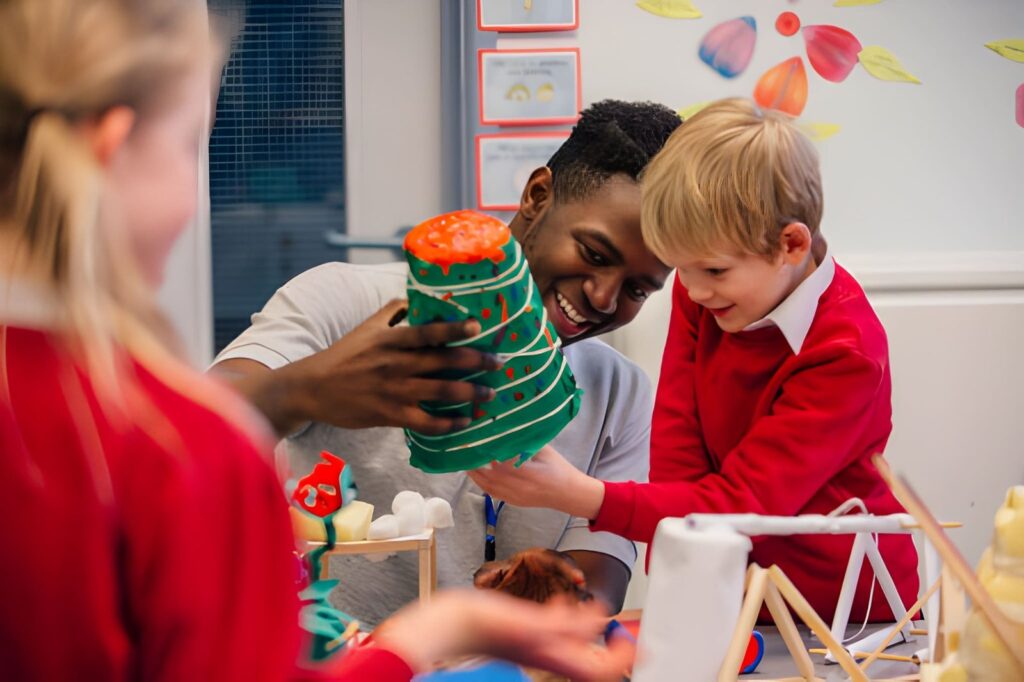
    How to Make Learning More Enjoyable

    Learning is one of the most valuable habits a person can develop, but it is not always TG88 easy to stay motivated. Whether you are studying for school, improving your career skills, learning a language, or exploring a new hobby, the process can sometimes feel boring or overwhelming. The good news is that learning does not have to feel like a chore. With the right approach, you can make learning more enjoyable , more engaging, and more effective.

    In this article, you will discover practical ways to make learning fun, build better study habits, and stay motivated for the long term.

    Understand Your Learning Style

    One of the best ways to make learning more enjoyable is to understand how you learn best. Everyone absorbs information differently. Some people prefer reading, while others learn better through videos, discussions, practice, or visual examples.

    Common learning styles include:

    – **Visual learning:** using images, charts, diagrams, and videos

    – **Auditory learning:** listening to lectures, podcasts, or explanations

    – **Kinesthetic learning:** learning by doing hands-on activities

    – **Reading and writing:** taking notes, reading articles, and summarizing ideas

    When you use methods that match your learning style, studying becomes easier and more interesting. For example, if you are a visual learner, try using colorful mind maps or infographics. If you learn better by doing, focus on exercises, projects, or real-life practice.

    Set Clear and Achievable Goals

    Learning feels more enjoyable when you know what you are working toward. Without clear goals, it is easy to lose focus or feel frustrated. Instead of setting vague goals like “I want to learn English” or “I want to get better at math,” create specific and achievable goals.

    For example:

    – “I will learn 10 new English words every day.”

    – “I will study math for 30 minutes five days a week.”

    – “I will complete one online course module each weekend.”

    Small goals give you a sense of progress. Every time you complete a task, you feel motivated to keep going. This makes the learning process more rewarding and less stressful.

    Make Learning Interactive

    Passive learning can quickly become boring. Reading pages of text or listening to long lectures without taking action may make it harder to stay focused. To make learning more enjoyable, turn it into an interactive experience.

    You can do this by:

    – Asking questions while studying

    – Taking quizzes

    – Creating flashcards

    – Joining discussions

    – Teaching someone else what you learned

    – Practicing with real-life examples

    Interactive learning helps your brain stay active. It also improves memory because you are using information instead of simply reviewing it.

    Use Games and Challenges

    Gamification is a powerful way to make learning fun. It means adding game-like elements to your study routine, such as points, levels, rewards, or challenges. Many educational apps use gamification because it keeps learners engaged.

    You can create your own learning games by setting challenges such as:

    – Completing a lesson before a timer runs out

    – Earning points for every correct answer

    – Rewarding yourself after finishing a study session

    – Competing with friends in a quiz

    – Tracking your progress on a chart

    Even simple rewards can make a big difference. For example, after studying for one hour, you might take a relaxing walk, watch an episode of your favorite show, or enjoy a snack.

    Connect Learning to Real Life

    Learning becomes more meaningful when you can connect it to your daily life. If a subject feels abstract or unrelated to your goals, it may be harder to enjoy. Try to find practical ways to use what you are learning.

    For example, if you are learning a new language, practice by writing messages, watching movies, or speaking with native speakers. If you are studying business, apply concepts to a small project or personal budget. If you are learning history, visit museums, watch documentaries, or read stories from that time period.

    When you see how knowledge applies to real situations, learning feels useful and exciting.

    Create a Comfortable Learning Environment

    Your surroundings can strongly affect your mood and concentration. A noisy, messy, or uncomfortable space can make learning feel difficult. A clean and peaceful environment can help you feel more relaxed and focused.

    To create a better learning space:

    – Choose a quiet area

    – Keep your desk organized

    – Use comfortable lighting

    – Remove distractions

    – Keep water nearby

    – Use headphones if needed

    You do not need a perfect study room. Even a small, tidy corner can become a productive learning space if it helps you concentrate.

    Take Regular Breaks

    Trying to study for hours without stopping can lead to stress and mental fatigue. Breaks are important because they give your brain time to rest and process information. When you return to your work, you often feel more focused.

    One popular method is the Pomodoro Technique. Study for 25 minutes, then take a 5-minute break. After four sessions, take a longer break of 15 to 30 minutes.

    During breaks, try to do something refreshing. Stretch, drink water, walk outside, or rest your eyes. Avoid spending every break scrolling on your phone, as this can make it harder to return to learning.

    Learn with Other People

    Studying alone can be effective, but learning with others can make the experience more enjoyable. Group learning gives you the chance to share ideas, ask questions, and stay motivated.

    You can learn with others by:

    – Joining a study group

    – Taking a class

    – Finding an online community

    – Practicing with a friend

    – Attending workshops or webinars

    When you learn with others, you may discover new perspectives and helpful study techniques. It also creates accountability because you are more likely to stay committed when other people are involved.

    Mix Up Your Learning Methods

    Doing the same thing every day can become boring. To keep learning fresh, use a variety of methods. For example, instead of only reading a textbook, you can watch videos, listen to podcasts, complete exercises, draw diagrams, or create projects.

    Changing your learning method can help you stay curious. It also strengthens your understanding because you are approaching the topic from different angles.

    Celebrate Your Progress

    Many people focus only on how much they still need to learn. This can make the process feel discouraging. Instead, take time to recognize how far you have come.

    Celebrate small wins, such as finishing a chapter, understanding a difficult concept, or staying consistent for a week. You can keep a progress journal to record what you learn each day. Seeing your improvement over time can boost your confidence and make learning more enjoyable.

    Stay Curious and Keep a Positive Mindset

    A positive mindset can transform the way you learn. Instead of thinking, “This is too hard,” try saying, “I can improve with practice .” Mistakes are not failures; they are part of the learning process.

    Curiosity also makes learning more exciting. Ask questions, explore new topics, and look for connections between ideas. When you approach learning with curiosity, it becomes an adventure rather than a task.

    Conclusion

    Making learning more enjoyable is possible when you use the right strategies. By understanding your learning style, setting clear goals, making lessons interactive, taking breaks, and connecting knowledge to real life, you can turn studying into a more positive experience.

    Learning Casino TG88 should not only be about memorizing facts or passing exams. It should help you grow, solve problems, and discover new possibilities. With patience, creativity, and consistency, you can make learning fun, meaningful, and rewarding.
     

  • Essential Digital Skills Every Student Needs

    Essential Digital Skills Every Student Needs

    In today’s technology-driven world, digital skills are no longer optional for students. Whether a student is in school, college, or preparing for a career Hubet , the ability to use digital tools effectively can make a major difference in learning, communication, productivity, and future employment. From researching information online to collaborating on projects and protecting personal data, students need a strong foundation in essential digital skills.

    This article explores the most important digital skills every student needs to succeed academically and professionally.

    1. Basic Computer and Device Skills

    Every student should be comfortable using computers, tablets, and smartphones for learning purposes. Basic computer skills include turning devices on and off properly, managing files and folders, using keyboards efficiently, and understanding operating systems such as Windows, macOS, ChromeOS, Android, or iOS.

    Students should also know how to install and update applications, connect to Wi-Fi, use printers, and troubleshoot simple technical problems. These foundational digital skills help students become more independent and confident when using technology for schoolwork.

    2. Online Research Skills

    One of the most essential digital skills for students is the ability to find accurate and reliable information online. The internet provides access to a huge amount of knowledge, but not all sources are trustworthy.

    Students should learn how to use search engines effectively by choosing the right keywords, using quotation marks for exact phrases, and comparing multiple sources. They should also understand how to evaluate websites by checking the author, publication date, domain, references, and overall credibility.

    Strong online research skills help students write better assignments, prepare for exams, and develop critical thinking abilities.

    3. Digital Communication Skills

    Digital communication is a key part of modern education. Students regularly communicate through email, messaging apps, learning platforms, discussion boards, and video conferencing tools.

    Students should know how to write clear and polite emails, use appropriate subject lines, attach files, and respond professionally. They should also understand online etiquette, often called “netiquette.” This includes being respectful, avoiding offensive language, and communicating clearly in group discussions.

    Good digital communication skills prepare students not only for academic success but also for future workplace environments.

    4. Word Processing and Presentation Skills

    Students frequently need to create documents, reports, essays, and presentations. Knowing how to use word processing software such as Microsoft Word, Google Docs, or Apple Pages is essential.

    Important skills include formatting text, using headings, inserting images, creating tables, checking spelling and grammar, and saving documents in different formats. Students should also be familiar with presentation tools such as Microsoft PowerPoint, Google Slides, or Canva.

    Presentation skills are especially important because students often need to share ideas visually. A strong presentation should be clear, well-organized, and visually appealing without being overcrowded with text.

    5. Spreadsheet and Data Skills

    Spreadsheet skills are useful for many subjects, including mathematics, science, business, and research. Students should understand how to use tools like Microsoft Excel, Google Sheets, or Apple Numbers.

    Basic spreadsheet skills include entering data, using formulas, creating charts, sorting information, and analyzing simple data sets. These skills help students organize information and make better decisions based on data.

    As careers become more data-focused, spreadsheet knowledge is a valuable digital skill that can give students an advantage in higher education and the job market.

    6. Online Collaboration Skills

    Modern learning often involves teamwork, even when students are not in the same physical location. Online collaboration tools such as Google Drive, Microsoft Teams, Zoom, Slack, and Trello allow students to work together on projects in real time.

    Students should know how to share documents, edit files collaboratively, leave comments, manage tasks, and participate in virtual meetings. They should also understand the importance of responsibility and time management when working in digital teams.

    Online collaboration skills help students develop teamwork, leadership, and problem-solving abilities.

    7. Cybersecurity and Online Safety

    Cybersecurity is one of the most important digital skills every student needs. Students spend a lot of time online, so they must understand how to protect themselves from digital threats.

    Key online safety skills include creating strong passwords, using two-factor authentication, avoiding suspicious links, recognizing phishing emails, and keeping software updated. Students should also be careful when sharing personal information online.

    Understanding privacy settings on social media and learning how to report harmful content are also essential. Good cybersecurity habits protect students from identity theft, scams, and online harassment.

    8. Digital Creativity Skills

    Technology gives students many opportunities to be creative. Digital creativity includes creating videos, graphics, podcasts, websites, blogs, and social media content. Tools such as Canva, Adobe Express, CapCut, WordPress, and video editing apps allow students to express ideas in engaging ways.

    Digital creativity is useful for school projects, personal portfolios, and future careers. It also helps students develop communication, design, and storytelling skills.

    Students who learn to create digital content responsibly and effectively can stand out in both academic and professional settings.

    9. Coding and Computational Thinking

    Not every student needs to become a programmer, but basic coding knowledge is increasingly valuable. Learning coding helps students understand how technology works and improves logical thinking.

    Students can start with beginner-friendly platforms such as Scratch, Code.org, Python, or HTML and CSS. Computational thinking involves breaking problems into smaller parts, recognizing patterns, and creating step-by-step solutions.

    These skills are useful not only in computer science but also in subjects like mathematics, engineering, science, and business.

    10. Digital Time Management and Productivity

    With so many apps, websites, and notifications, students can easily become distracted. Digital time management skills help students stay focused and productive.

    Students should learn how to use digital calendars, reminders, task management apps, and note-taking tools. Apps like Google Calendar, Notion, Microsoft OneNote, Todoist, and Evernote can help students organize assignments, deadlines, and study schedules.

    Being productive with technology means using digital tools to support learning rather than allowing them to become distractions.

    11. Media Literacy and Critical Thinking

    Media literacy is the ability to understand, analyze, and evaluate digital content. Students should know how to identify misinformation, biased content, fake news, and manipulated images or videos.

    Critical thinking is especially important in the digital age because information spreads quickly online. Students should question what they read, check facts, and compare information from trusted sources.

    Media literacy helps students become responsible digital citizens and make informed decisions.

    Conclusion

    The essential digital skills every student needs go far beyond simply using a smartphone or browsing the internet. Students must learn how to research information, communicate online, protect their privacy, collaborate with others, create digital content, and use technology productively.

    By developing these digital skills, Tác giả Hubet  students can improve their academic performance, prepare for future careers, and become confident users of technology. In a world where digital knowledge is connected to almost every profession, building strong digital skills is one of the best investments students can make in their

  • Benefits of Interactive Learning Methods

    Benefits of Interactive Learning Methods

    Interactive learning methods King88 are transforming the way students, professionals, and lifelong learners absorb information. Instead of relying only on lectures, textbooks, or passive listening, interactive learning encourages active participation through discussions, quizzes, simulations, group activities, games, digital tools, and real-world problem-solving. This approach makes education more engaging, practical, and effective.

    In today’s fast-paced world, learners need more than memorized facts. They need critical thinking skills, communication abilities, creativity, and confidence. Interactive learning methods help develop these skills by placing learners at the center of the educational experience.

    What Are Interactive Learning Methods?

    Interactive learning methods are teaching strategies that require learners to participate actively in the learning process. Rather than simply receiving information, students engage with the material, the instructor, and one another.

    Common examples of interactive learning include:

    – Group discussions

    – Role-playing activities

    – Educational games

    – Online quizzes and polls

    – Case studies

    – Hands-on experiments

    – Problem-solving tasks

    – Virtual simulations

    – Peer teaching

    – Project-based learning

    These methods can be used in classrooms, online courses, corporate training programs, workshops, and self-paced learning environments.

    Increased Student Engagement

    One of the biggest benefits of interactive learning methods is increased engagement. Traditional lectures can sometimes cause learners to lose focus, especially when information is presented for long periods without participation. Interactive activities break up the learning process and keep students mentally involved.

    When learners answer questions, collaborate with classmates, or complete practical tasks, they are more likely to stay interested. This active involvement helps reduce boredom and encourages curiosity. As a result, students become more motivated to learn and more willing to participate.

    Engaged learners are also more likely to attend classes, complete assignments, and take responsibility for their progress.

    Better Knowledge Retention

    Interactive learning improves knowledge retention because learners are not just hearing or reading information—they are using it. When students apply concepts through activities, discussions, and real-life examples, they build stronger connections with the material.

    Research in education often shows that active learning can improve memory and understanding. For example, a learner who solves a math problem, explains a science concept to a peer, or practices a workplace skill in a simulation is more likely to remember it than someone who only listens to an explanation.

    This is especially useful for complex subjects where understanding depends on practice, feedback, and repetition.

    Development of Critical Thinking Skills

    Another important advantage of interactive learning methods is the development of critical thinking. Many interactive activities require learners to analyze information, compare ideas, make decisions, and solve problems.

    Instead of memorizing answers, students learn how to ask questions and think independently. Case studies, debates, and project-based assignments encourage learners to evaluate different perspectives and support their opinions with evidence.

    These critical thinking skills are valuable not only in school but also in everyday life and professional careers. Employers increasingly look for people who can solve problems, adapt to challenges, and make informed decisions.

    Improved Communication and Collaboration

    Interactive learning often involves teamwork. Group projects, peer discussions, role-playing, and collaborative tasks help learners practice communication skills in a meaningful way.

    Students learn how to express their ideas clearly, listen to others, give feedback, and work toward shared goals. These experiences help build confidence and social skills. Collaboration also exposes learners to different viewpoints, which can deepen understanding and encourage empathy.

    In workplace training, interactive learning is especially useful because many jobs require teamwork, leadership, and effective communication.

    Personalized Learning Experience

    Interactive learning methods can support different learning styles and needs. Some learners understand concepts better through visual materials, while others prefer discussion, hands-on practice, or digital activities. Interactive education allows instructors to use a variety of tools and techniques.

    Technology also makes personalized learning easier. Online platforms can offer quizzes, instant feedback, adaptive lessons, videos, and interactive exercises. Learners can often move at their own pace and focus on areas where they need improvement.

    This flexibility helps make learning more inclusive and effective for a wider range of students.

    Immediate Feedback and Faster Improvement

    Feedback is essential for learning. Interactive methods often provide immediate feedback, allowing learners to recognize mistakes and correct them quickly. For example, online quizzes can show results instantly, while classroom discussions allow teachers to clarify misunderstandings right away.

    Immediate feedback helps learners understand what they are doing well and where they need more practice. It also reduces frustration because students do not have to wait days or weeks to know whether they are on the right track.

    This faster feedback cycle supports continuous improvement and builds learner confidence.

    Greater Motivation and Confidence

    Interactive learning can make education feel more rewarding. Activities such as games, challenges, simulations, and projects create a sense of achievement. When learners successfully complete tasks or contribute to discussions, they gain confidence in their abilities.

    This confidence encourages them to take on more difficult challenges. Over time, learners become more independent and motivated. They begin to see learning as an active process rather than a passive requirement.

    Motivation is especially important in online learning, where students may feel isolated. Interactive features such as live chats, discussion boards, polls, and virtual group work can help create a sense of connection.

    Real-World Application of Knowledge

    One of the most practical benefits of interactive learning methods is their connection to real-world situations. Instead of learning theory alone, students can practice applying knowledge in realistic contexts.

    For example, medical students can use simulations to practice procedures, business students can analyze case studies, and language learners can improve through conversation activities. These experiences help bridge the gap between knowledge and action.

    When learners understand how information applies to real life, they are more likely to value what they are learning.

    Conclusion

    The benefits of interactive learning methods are clear. They increase engagement, improve knowledge retention, develop critical thinking, strengthen communication skills, and support personalized learning. By encouraging active participation, interactive learning creates a more effective and enjoyable educational experience .

    Whether used in Khuyến mãi King88 schools, universities, online courses, or workplace training, interactive learning methods help learners build practical skills and lasting understanding. As education continues to evolve, interactive learning will remain an essential strategy for helping people succeed in both academic and professional settings.

  • Hello world!

    Welcome to WordPress. This is your first post. Edit or delete it, then start writing!